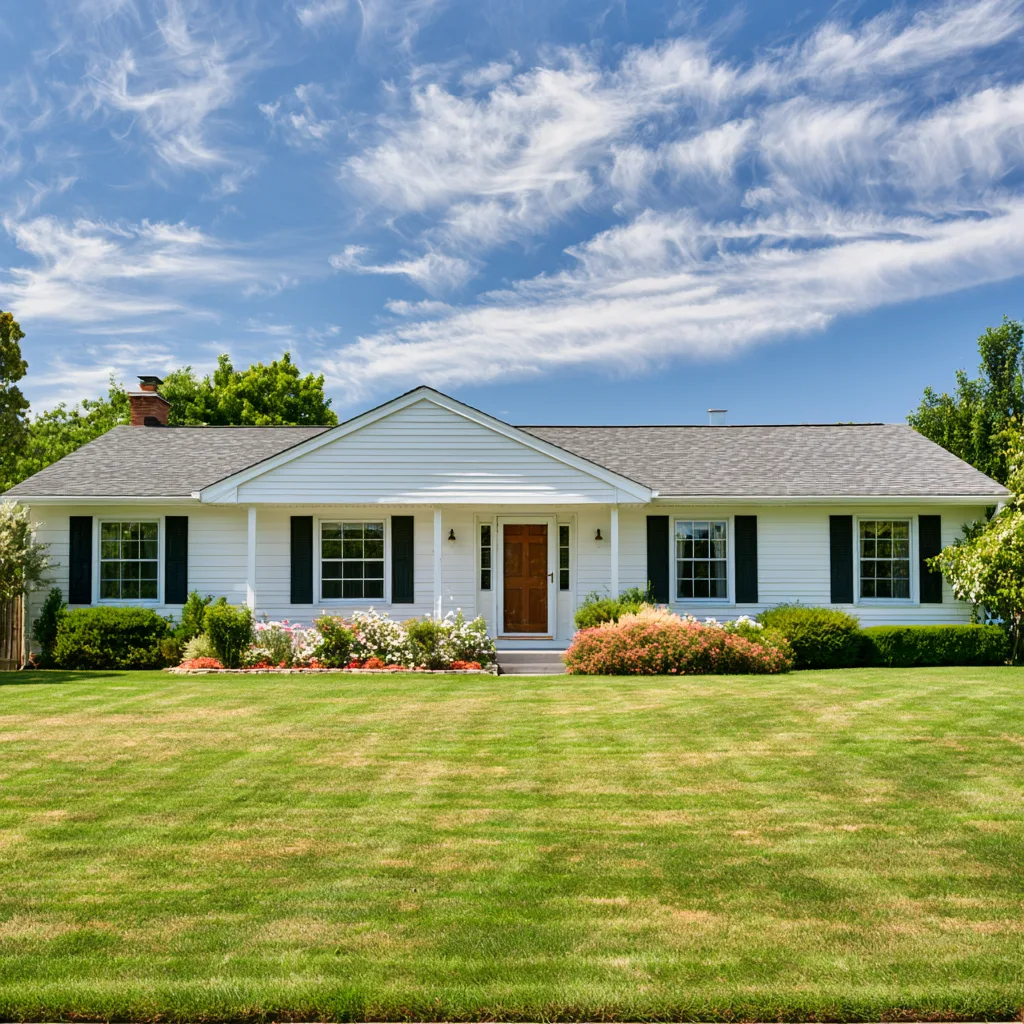
Sound roof, local defect
The covering has life left and the problem is a failed detail or a damaged area: a split boot, tired flashing, a run of storm-hit shingles. Repair wins outright. Replacing a roof like this buys years you already owned.
Repair or replace is the roofing question with the most money riding on it, and the internet answers it mostly with rules of thumb that don't survive contact with a real roof. The answer that holds up runs through the roof's condition: what failed, what surrounds the failure, and what the covering as a whole has left. This guide walks through exactly that.
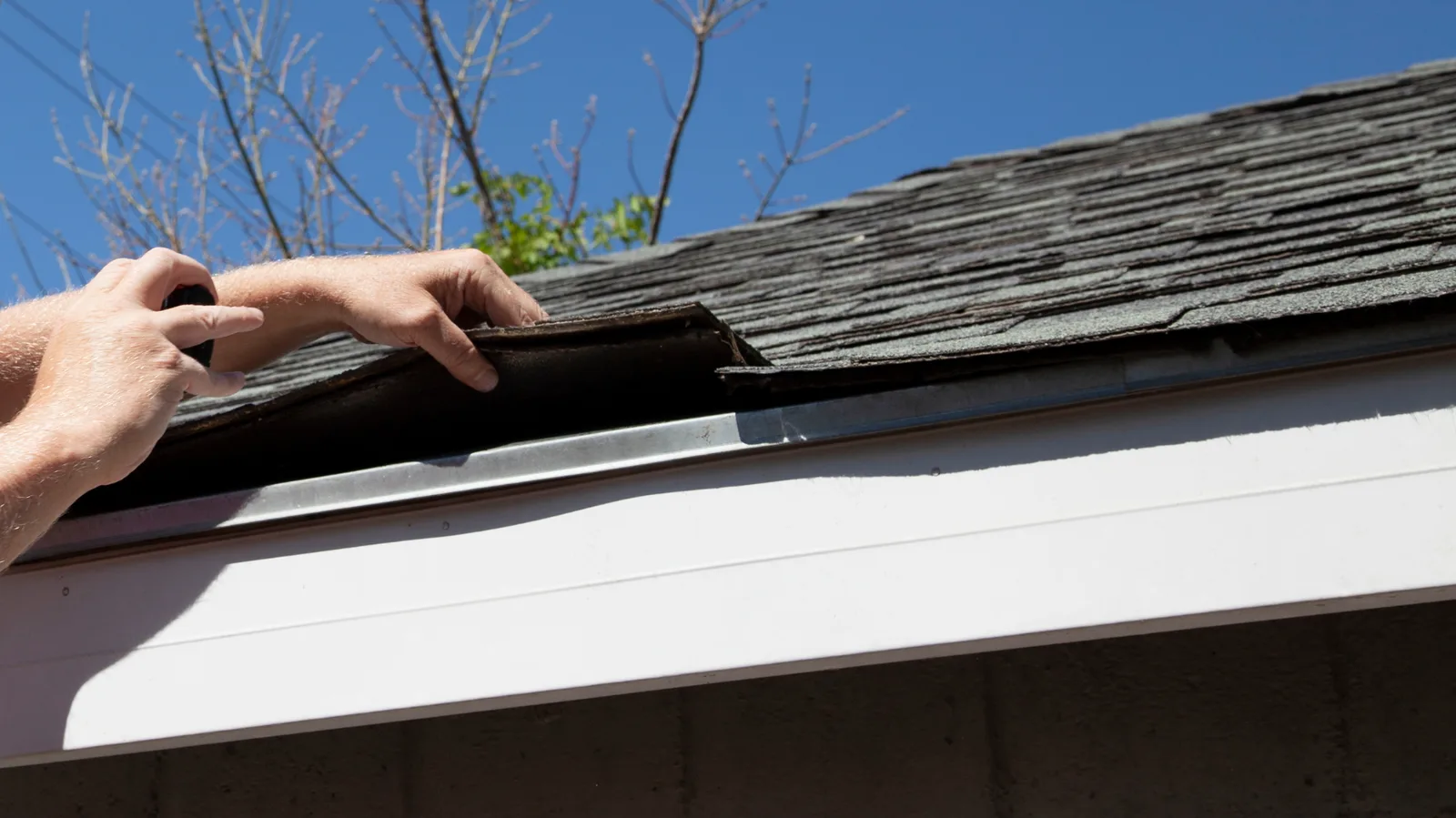
A repair isn't a patch floating on the roof; it's new material fastened into old, and the old material has to be able to take that. Asphalt shingles lose flexibility as they age and weather, and roofing that has gone brittle tends to break when it's disturbed, so working new material into it damages the very shingles the repair needs to tie into. That's why borderline cases turn on the condition of the material around the damage: roofing that can still be worked supports a lasting repair, while brittleness pushes the answer toward a larger repair or, when it runs across the slope, toward pricing a replacement alongside it.
Notice what's absent from that test: the roof's age in years, and any percentage formula. Two roofs installed the same summer can be a repair candidate and a replacement candidate, because sun exposure, ventilation and installation quality age material at different speeds. The material's condition is the fact; everything else is a proxy for it.
Money belongs in this decision, just not as the whole of it. A repair that ties into sound material is cheap insurance; a string of repairs on a failing roof is replacement money spent without getting a replacement. The practical habit: when the same roof keeps asking for fixes, price the next repair and a replacement side by side, and let the roof's condition say whether the bigger number buys anything the small one doesn't.
What cost can't do is diagnose. A cheap repair on a roof that's done is still wasted, and a replacement a sound roof didn't need is the biggest waste on this page. For the replacement side of the comparison, the cost guide has regional planning ranges and a calculator.
A roofer walks the slopes and details, checks how the material behaves, and maps where the wear actually is, conditions allowing.
Which of the three conditions your roof is in, shown with the evidence, so the recommendation makes sense instead of demanding faith.
Repair scope and price, replacement scope and price, or the welcome news that nothing's needed yet. The decision stays where it belongs: with you.
No. Age raises the question; condition answers it. Exposure, ventilation and installation quality make identical shingles age at very different rates, so a birthday is a reason to look, never a verdict by itself. The inspection page covers what the look involves.
Not one this research could verify. Percentage rules from other states get repeated online as if they were universal law, and they aren't; what governs a Pryor project is the applicable local code and the specifics of the assembly, reviewed for the actual job. If a rule like that would change your plans, it gets confirmed during project planning, not assumed from a search result. The permits guide explains how those questions get resolved.
Sometimes, when the geometry gives clean break lines and the remaining sections genuinely have life left. The tradeoffs are real: tie-ins between old and new material are extra detail work, colors won't match across eras, and phasing costs more per square than doing it once. It can still be the right call for a roof with one failed slope. The replacement page covers how a full project runs.
Your roof already knows which of the three conditions it's in. A free inspection reads the answer off the material, and you decide from there.
Contact us