The roof system itself
Membrane, metal, coated or built-up, and its actual condition: seams, penetrations, drainage and any moisture already in the assembly. This is the roofing half of the question.
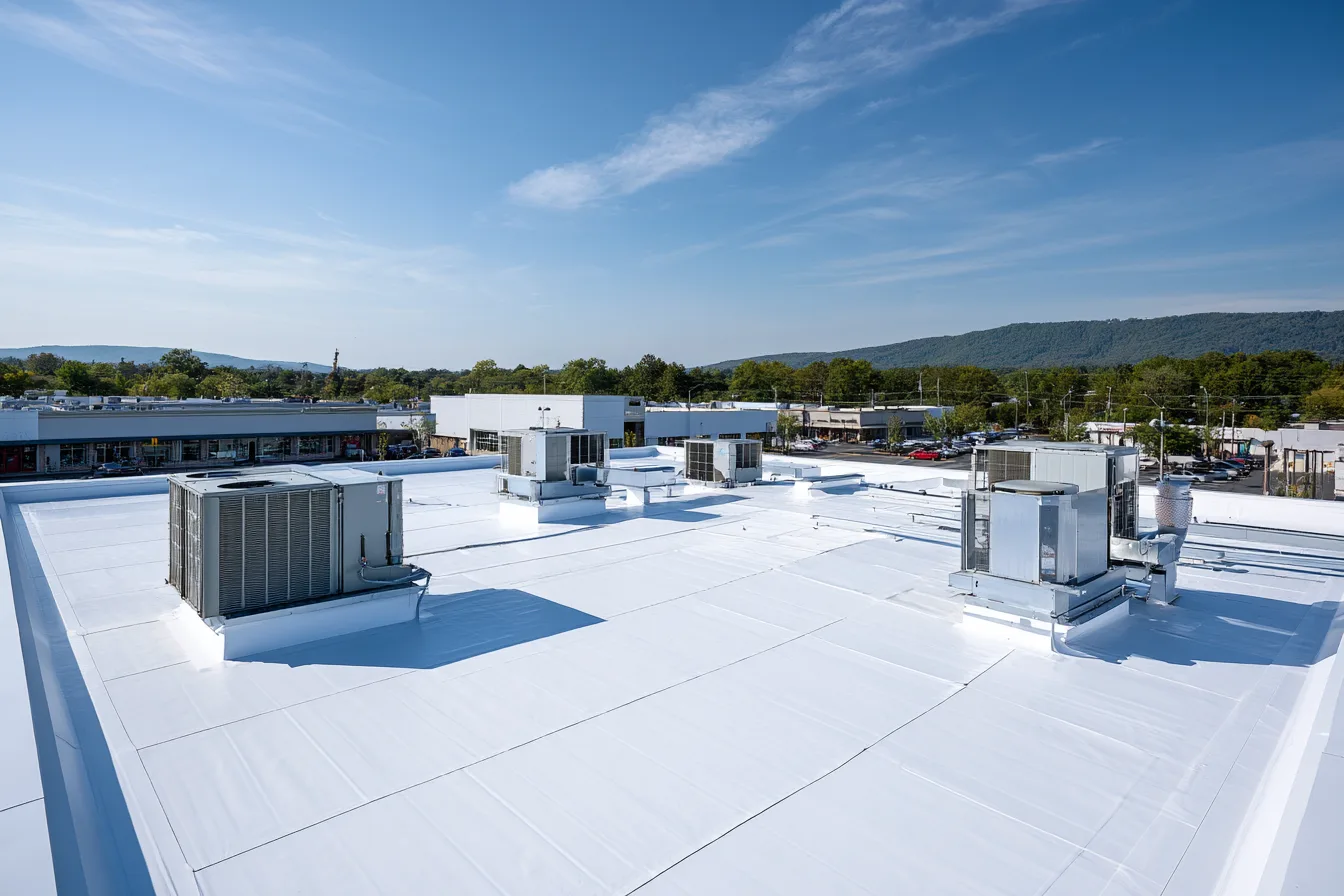
MidAmerica Industrial Park sits just outside Pryor and anchors a serious concentration of working buildings: industrial facilities, warehouses and the commercial properties that grow up around them. If you own or manage a building in that orbit and its roof has a problem, or a birthday coming up, this page is about getting a useful assessment started.
The park itself lies outside Pryor's municipal boundaries, and the properties in and around it range from large industrial buildings to smaller commercial spaces, with development land in the mix. For a roof, what matters isn't the park's name on the map; it's your building: what system is on it, what the building does underneath it, and what the roof has been doing lately.
What's offered here is roofing help for building owners and managers in the area, starting with a free assessment of the roof you actually have. The direct question about the park itself is answered below.
Two buildings with identical roofs can need very different projects, because the building underneath sets the rules. A useful assessment reads both.
Membrane, metal, coated or built-up, and its actual condition: seams, penetrations, drainage and any moisture already in the assembly. This is the roofing half of the question.
A warehouse that can shift pallets away from a work zone is one job; a facility with processes that can't tolerate dust, odors or downtime is another. Sensitive operations don't rule out roof work, they shape its sequencing, containment and hours.
Rooftop units, gas lines, conduit and vents each interrupt the roof and each constrain the work around them. A real scope counts them before pricing, not after mobilizing.
How crews and materials reach the roof, which doors and docks stay clear, and any site rules the property operates under. On managed sites those approvals are part of project coordination, handled with you rather than assigned to you.
Depending on what the assessment finds, the work lands on one of these paths. Each has its own page with the full reasoning.
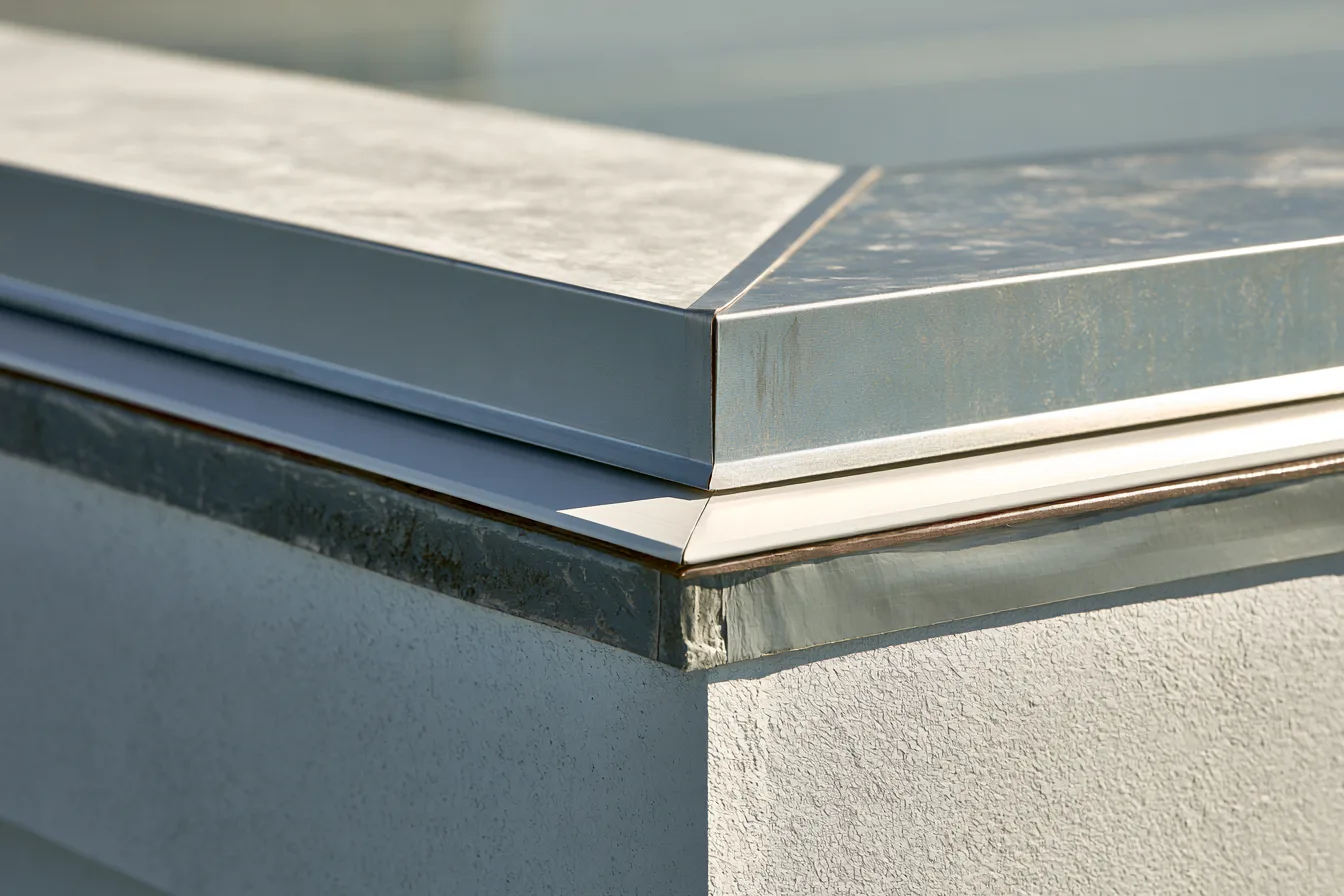
The whole decision framework: repair, restore or replace.
Active leaks traced to their entry point and fixed compatibly.
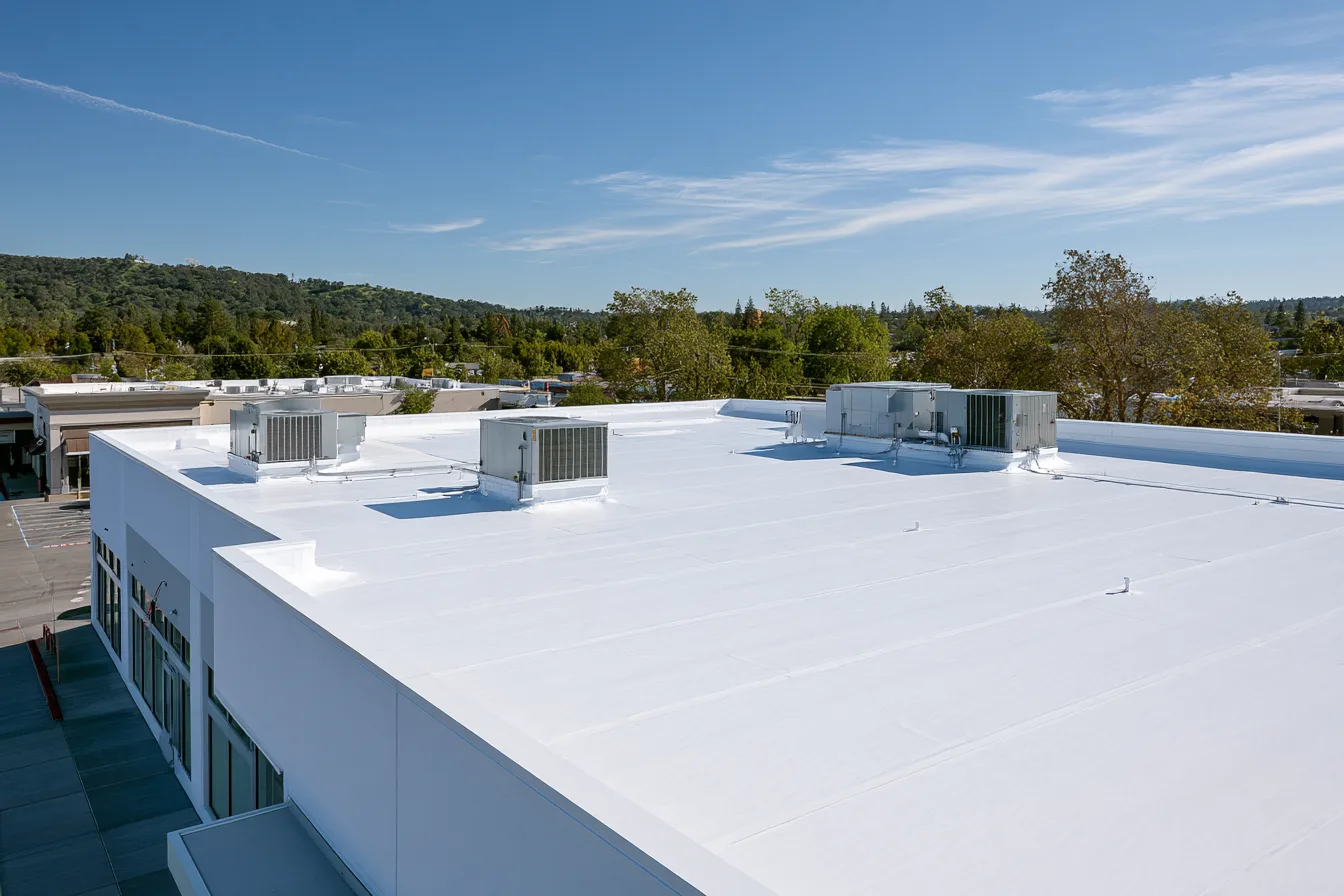
Single-ply assemblies: repair, recover or a new stack.
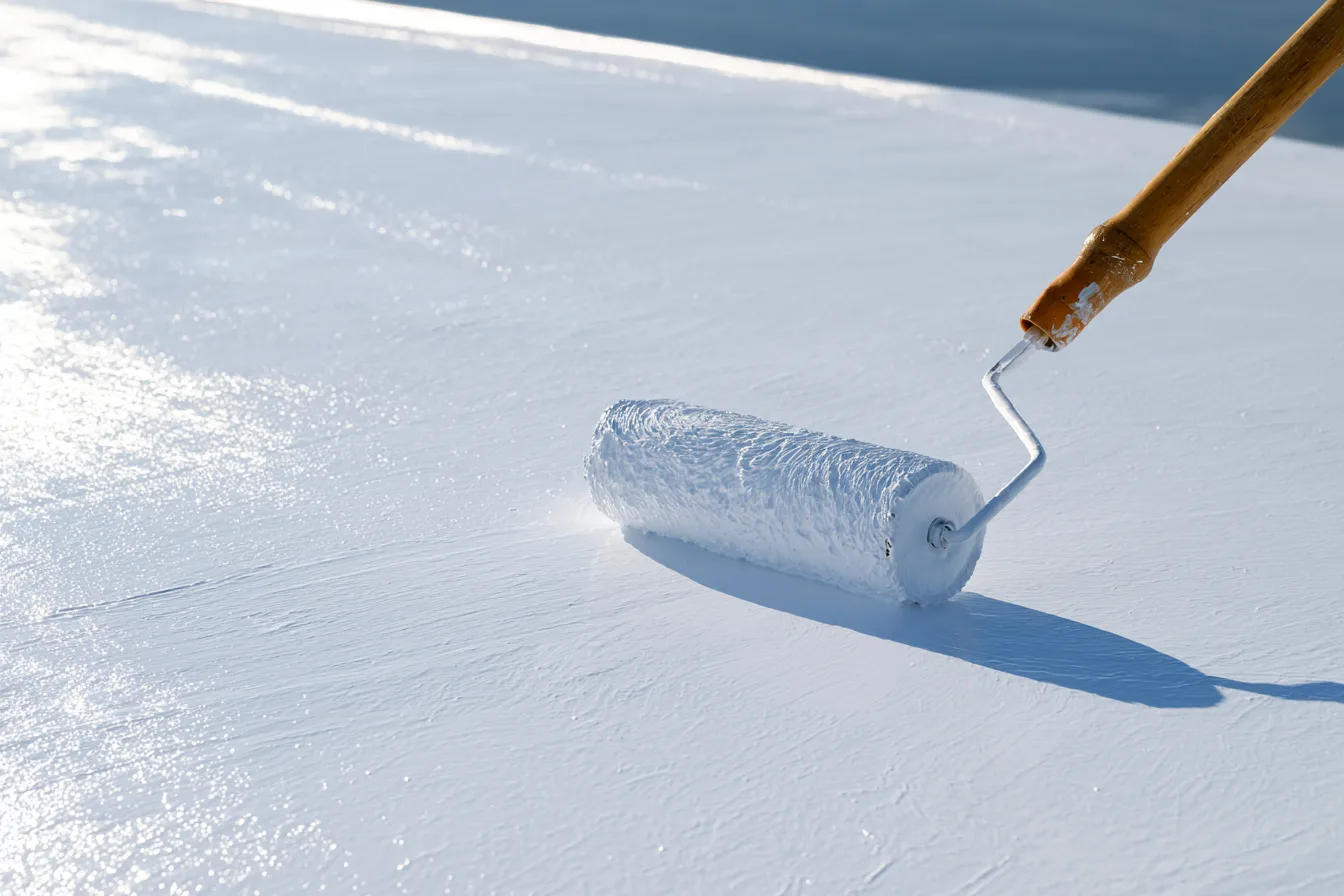
Restoration for roofs that qualify, with the preparation done right.
Around the park, a Pryor mailing address settles less than it seems to. The park sits outside city limits, so which authority reviews a given project depends on where the property actually is, and managed sites can add their own access and approval steps on top. None of that is your homework; it's ordinary project coordination, resolved as part of planning the work. If you want the background on how jurisdiction gets sorted, the roofing permits guide covers it.
No. This is an independent roofing service for the area, with no affiliation with the park or the companies operating in it. Requests are welcome from any building owner or manager nearby; the connection to the park is geography, nothing more.
Yes. Send the site location, the building's use and what the roof is doing. You don't need to identify the roof system first; confirming what's actually up there is part of the assessment. The commercial roofing hub shows what the assessment covers.
The leak needs finding either way, because restoration only makes sense over a roof whose defects and moisture are understood. Sometimes the sequence is repair now, coat later; wet materials always come out before any coating goes on. The roof coatings page explains how qualification works.
A building roof problem gets cheaper the earlier it's understood. Send the site and the concern, and get an assessment that respects how your building actually operates.
Contact us