Standing seam metal roof slope above a wood soffit

Metal Roofing in Pryor, OK

Metal roofing gets sold with a lot of superlatives. The truth is more useful: metal is a genuinely different roof system with real strengths, a higher upfront price, and details that have to be done right to deliver what it promises. This page explains the two main systems, how metal behaves on a roof, and what changes when a house makes the switch.

Weigh metal for your roof

Tell us about the house or building and where the roof is in its life. A free look grounds the comparison.

Standing seam and exposed-fastener roofing

Two systems share the name metal roof, and the difference between them matters more than the metal itself.

Standing seam

Panels joined at raised seams, attached with concealed clips that let the metal move as it heats and cools. No fastener heads exposed to weather, clean long lines, and details engineered for the system. It's the premium option and it's priced like one.

Exposed fastener

Ribbed panels screwed straight through the metal into the structure, each screw sealed with a gasketed washer. Considerably cheaper, and common on barns, shops and outbuildings. The tradeoff lives at those fasteners: every one is a sealed penetration whose gasket weathers over the years, so this system carries a maintenance rhythm standing seam doesn't.

Request a free roof inspection

Movement, fasteners and roof details

Metal expands and contracts with temperature far more than shingles do, and an Oklahoma roof surface covers a wide temperature range across a year. Standing seam is built around that fact: its clips let each panel slide as it moves, so the attachment survives thousands of cycles. On an exposed-fastener roof the panels move against fixed screws instead, which is why fastener condition is the standing maintenance question on that system, though not the automatic explanation for every leak.

Penetrations and edges follow the same logic. Pipes, vents and transitions on a metal roof need flashings and closures designed to move with the panels. Details borrowed from shingle practice are where inexperienced metal installations fail first.
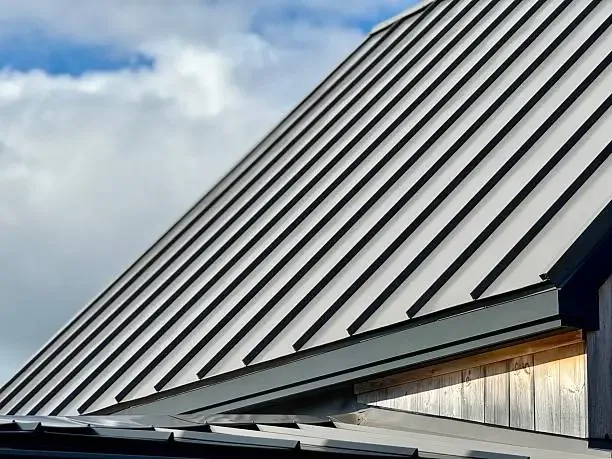
Standing seam metal roof slope above a wood soffit

What changes when a roof becomes metal

Switching a shingle roof to metal is more than swapping the covering. A real proposal covers all of this.

The substrate and deck

Metal needs the right base: sound decking and, depending on the system, the appropriate underlayment beneath it. Any soft wood gets addressed before panels lock it out of reach.

Transitions and trim

Ridge, eave, valley, gable and every wall junction get system-specific trim. These details are a bigger share of the labor, and the quality, of a metal roof than most people expect.

Ventilation still matters

The attic's need to breathe doesn't change with the covering. Intake and exhaust get reviewed as part of the project, not assumed away because metal is up top.

Honest expectations

Metal earns its reputation for longevity, but no roof is lifetime-and-forget-it. Sealants and closures at details age on their own schedule, and hard hail can mark metal too. What you're buying is a durable system, not a magic one.

Metal roof budget context

Standing-seam metal is the premium budget conversation: Tulsa-area guidance from May 2026 puts an example 2,000 square-foot roof at roughly $24,000 to $48,000 installed. The band is wide because panel gauge, seam type and detail complexity vary a lot between projects, and it's planning guidance rather than a Pryor quote. Exposed-fastener systems price differently and lower; this band doesn't cover them.

To see the shingle and metal numbers side by side for your own roof, use the calculator in the cost guide. It handles all the arithmetic for you.

Standing-seam metal, example 2,000 sq. ft. roof
$24,000 to $48,000
installed total. Tulsa-area published guidance, May 2026.

Questions about metal roofing

Is a metal roof hail-proof?

No roof is. Metal resists puncture well, but large hail can dent panels, and dents raise their own question: cosmetic damage versus functional damage, which insurance policies can treat very differently, sometimes excluding cosmetic dents outright. Worth understanding before you buy, and the insurance claims guide covers how those distinctions play out.

Can metal go over existing shingles?

Sometimes. It depends on the deck's condition, how many layers are up there, the added weight, the panel system's own requirements and the applicable code, so it's a project-specific finding rather than a yes or no from a webpage. An overlay also seals the old roof out of sight, so the deck check beforehand matters more, not less. Jurisdiction questions are covered in the permits guide.

Are exposed-fastener roofs the same as standing seam?

No, and the price difference reflects a real difference. Standing seam conceals its attachment and accommodates the metal's movement; exposed-fastener panels are screwed through the surface, and every screw is a gasketed penetration that weathers over time. Both can be good roofs for the right building and budget; they just shouldn't be quoted, or judged, as if they were one product.

Start with a free roof inspection

The metal question is easier with your actual roof in the conversation. A free look establishes what's up there now and what a switch would actually involve.

Contact us
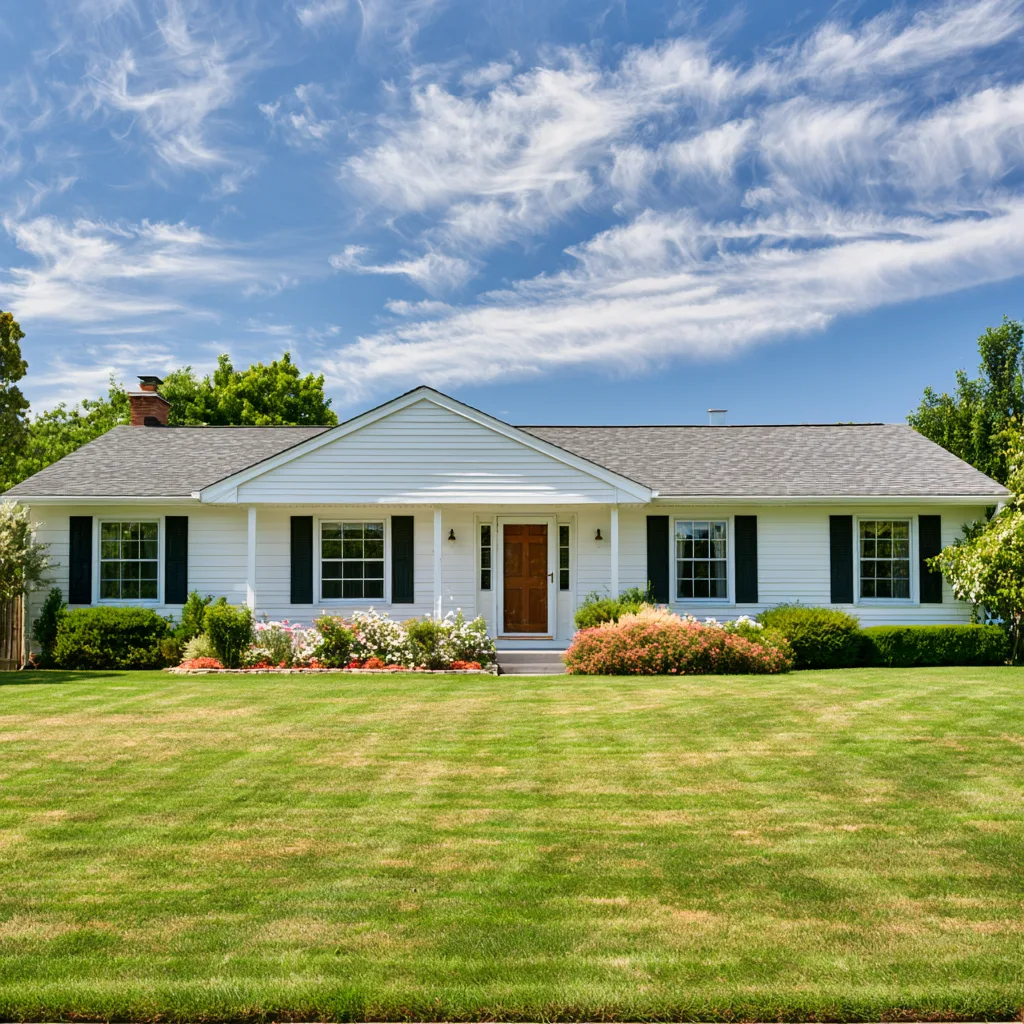
White ranch house with gray asphalt shingle roof and black shutters

Weigh metal for your roof

Tell us about the house or building and where the roof is in its life. A free look grounds the comparison.

Call (918) 803-0637Request roofing help