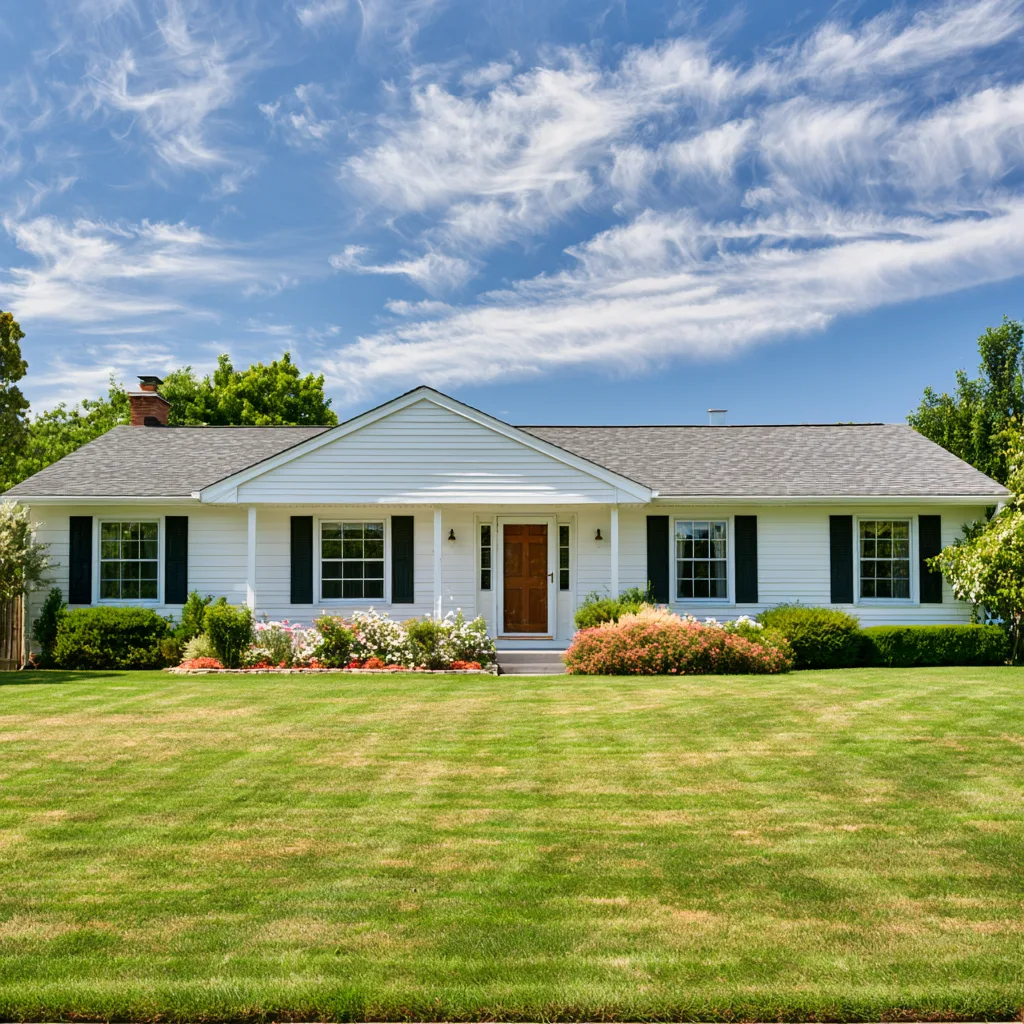
Wear across the roof, not just in one place
Granule loss, cracking or curling showing up on every slope means the covering itself is at the end, and patching one symptom won't slow the others.
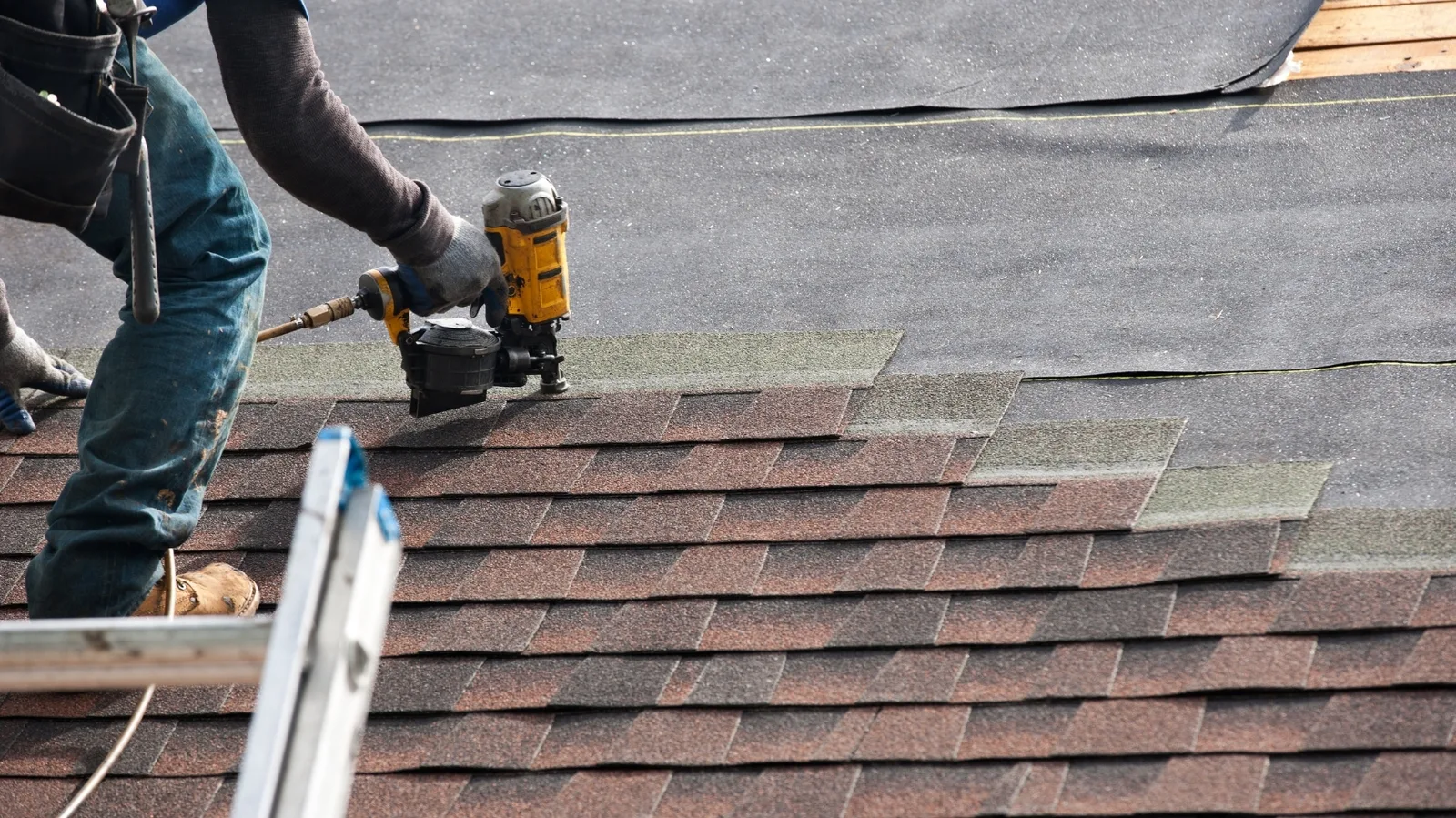
Replacing a roof is a big spend on something you'll mostly never look at, which is exactly why it deserves a clear explanation before anyone names a price. This page walks through when replacement is worth it, what's actually in a roof besides shingles, and how to plan the budget. A free inspection settles whether your roof is there yet.
A replacement renews a whole system, not just the visible layer. Each part has a job, and the quote you get reflects all of them.
The wood surface everything fastens to. It's only fully visible after tear-off, which is why soft or water-damaged sections get flagged up front as a possible mid-project scope change instead of arriving as a surprise.
The water-shedding layer under the shingles. It backs up the covering when wind drives rain past it, and it protects the deck during installation.
Metal at chimneys, walls, valleys and pipes, covering every place the roof plane gets interrupted. Most leaks live at these joints, so a replacement renews them rather than reusing tired metal.
Drip edge and starter courses control how water leaves the roof and enters the gutter instead of wicking back into the fascia.
Intake at the eaves and exhaust near the ridge let the attic breathe. A roof that can't shed heat and moisture ages its shingles from below.
Landscaping, driveway and access get covered or planned around, then the old covering comes off. This is the loud, messy day.
With the roof bare, the decking gets reviewed. Sound wood stays; damaged sections get replaced before anything covers them again.
Underlayment, flashing, edges and ventilation go in, then the covering over all of it, worked slope by slope.
Details get reviewed, the site gets cleared, and magnets sweep the yard for nails.
Published Tulsa-area guidance from May 2026 puts an ordinary architectural shingle replacement at roughly $9,000 to $13,000 installed for an example 2,000 square-foot roof, tear-off included. That's regional planning guidance, not a Pryor quote, but it's a solid place to start a budget.
The roof replacement cost guide has a calculator that fits the range to your numbers, handling all the math for you, plus the full list of what can move a project outside the range.
Roof work inside Pryor's city limits falls under the city's Building Inspection office, and a Pryor mailing address doesn't always mean the property is actually inside those limits. What review a project needs depends on the jurisdiction and the scope of the work, and sorting that out is part of planning the job, not homework for you. The roofing permits guide explains how it works.
Sometimes, but it's a project-specific answer, not a default. The deck has to be sound, the existing layer flat and single, the added weight acceptable, and both the shingle manufacturer's rules and the applicable code have to allow it. An overlay also hides the deck, so any soft spots stay hidden too. Whether it's on the table for your roof is a question the inspection and the permit review settle together.
It gets replaced before the new roof goes on; covering bad wood just schedules the next problem. Damaged decking sits outside the base planning ranges, which is one reason the cost guide treats them as a starting point rather than a ceiling. The good news: it's found and fixed while the roof is already open, when fixing it is cheapest.
It depends on the roof's size, how much tear-off there is, how complicated the details are and what the weather does. Many house roofs are quick jobs and some take longer; a real schedule comes with the actual proposal, once someone has seen the roof.
Upfront, usually yes. But the initial price is one variable among several: how each covering handles weather, what future repairs look like, and how long you plan to own the house all belong in the comparison. The metal roofing page lays out what the higher initial cost actually buys, so you can weigh it fairly.
Before you plan a replacement, find out whether you need one. The inspection is free, the roofer walks the roof, and the recommendation follows the roof's condition, whichever way that points.
Contact us