Three-tab shingles
Slots divide each strip into an even row of tabs. The result is a flat, repeating pattern. When repairing this type, the new shingle needs compatible dimensions and exposure as well as a suitable color.
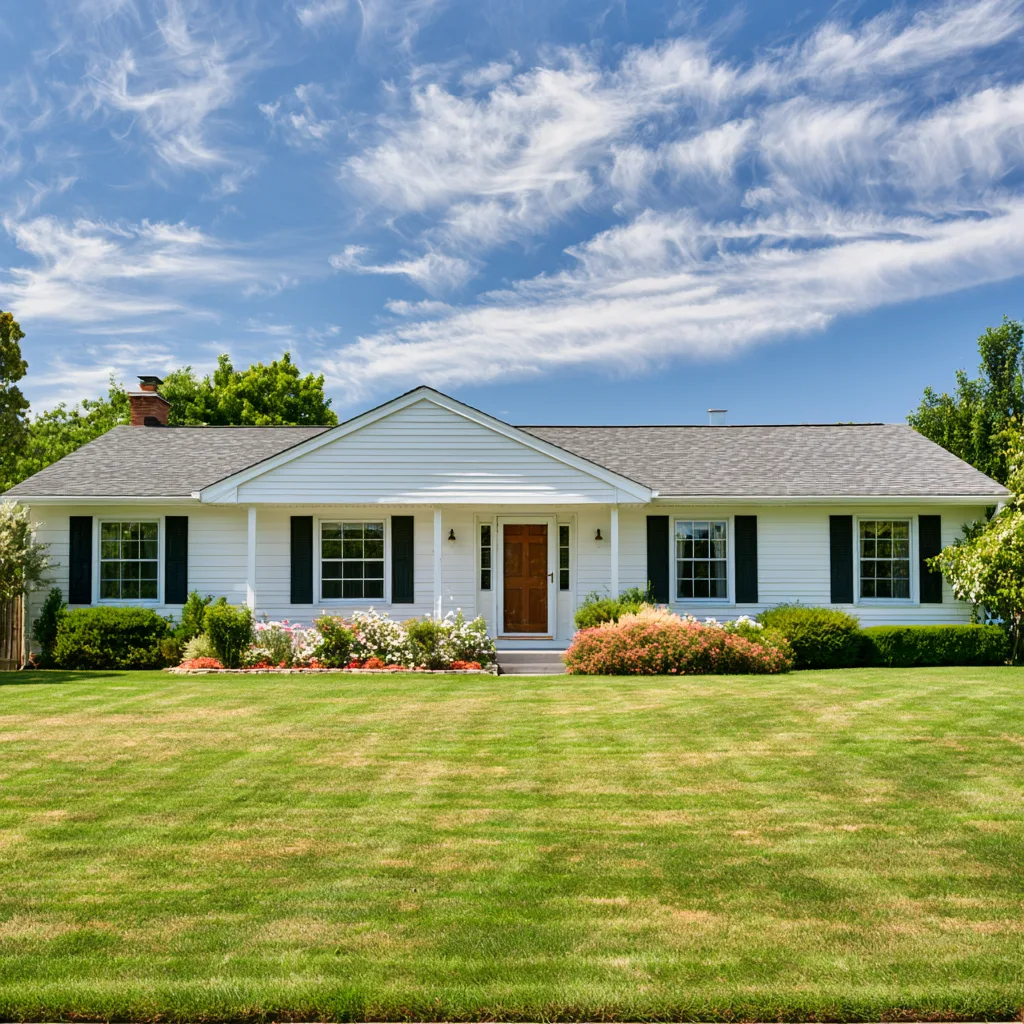
The pattern you see from the street is one part of choosing shingles. A repair also needs the right size and exposure; a replacement needs a complete assembly beneath the new covering. Here is how the main shingle profiles differ for a Pryor home.
Architectural shingles are the modern default: layered tabs that give the roof a dimensional look instead of the flat repeating pattern of the older three-tab style.
But a shingle is just the visible layer of a system. The same product performs differently over good ventilation than bad, over renewed flashing than tired metal, over sound decking than soft. When a shingle roof fails early, it's worth asking whether the covering is taking the blame for a problem that started underneath. That's why the choice of shingle matters less than the quality of the whole assembly it tops.
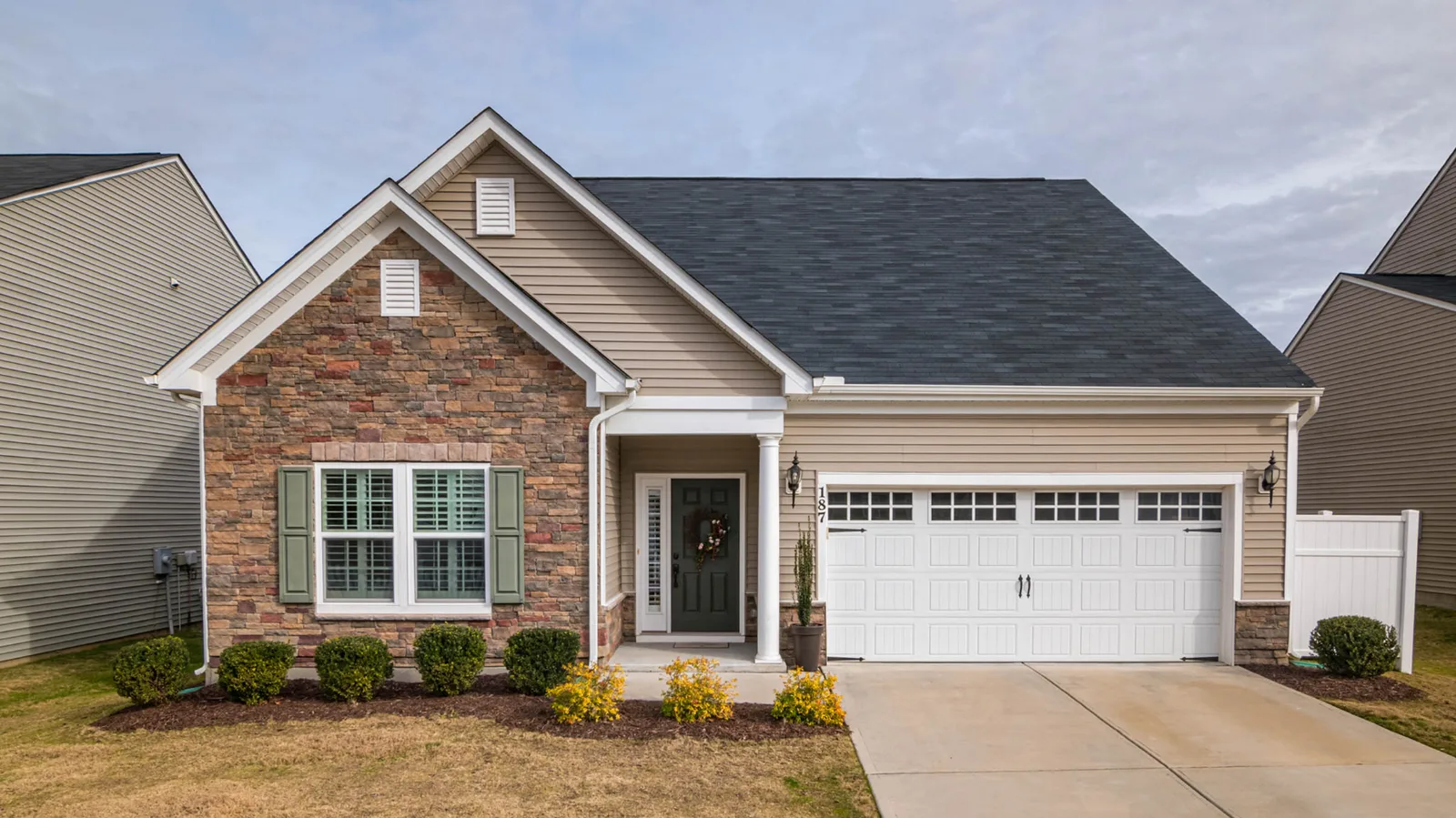
An architectural or designer product may also have an impact rating. UL 2218 classifies performance in a controlled impact test. It does not establish how every real hailstorm will affect that roof.
The exact product’s classification can inform a material choice. Installation, existing damage and the condition of the complete roof still matter, and any insurance treatment comes from the actual policy.
Four parts of a shingle roof do their work invisibly. When a quote includes them, this is what you're paying for.
The starter course supports and seals the first shingle row at the roof edge. It needs to suit the selected covering and installation requirements.
The shingles covering the peak, bent over the roof's most exposed line. When one cracks or lifts, wind-driven rain has a path along the very joint it protected, so caps are worth a look whenever the roof gets checked.
Metal wherever the shingle field gets interrupted: chimneys, walls, valleys, pipes. Shingles shed water; flashing manages it at every transition, and a leak at one of those transitions is a flashing story, not a shingle story.
A vented attic needs both an intake route and an exhaust route. Blocked soffits or disconnected air paths can leave moisture inside even when a ridge vent is present.
By Tulsa-area guidance published in May 2026, an ordinary architectural shingle replacement on an example 1,500 square-foot roof lands around $6,750 to $9,750 installed, tear-off included. That's regional planning guidance rather than a Pryor quote, and your roof's geometry, decking and access decide where a real project lands.
The cost guide has a calculator that fits the range to the size you give it, without any math on your end.
Yes. The rating reflects controlled steel-ball testing, and real hail arrives at its own sizes, angles and temperatures. Impact-rated shingles are tougher, not invulnerable, so after significant hail they deserve the same look any roof does. The storm damage page covers what that check involves.
A repair can differ visibly from the existing roof. Weathering, dimensions and discontinued colors affect the available match. Compatible material matters first; the likely appearance needs to be understood before the work. The roof repair page covers when spot replacement makes sense at all.
No. Material coverage and contractor workmanship coverage have separate providers and terms. Their exclusions, duration and claim process need to be understood for the selected project. They do not replace an assessment of the roof itself. That is why the replacement page focuses on the assembly first.
Bring the repair question or the new-roof idea. A free inspection helps connect your material choices to the condition and shape of the roof.
Contact us