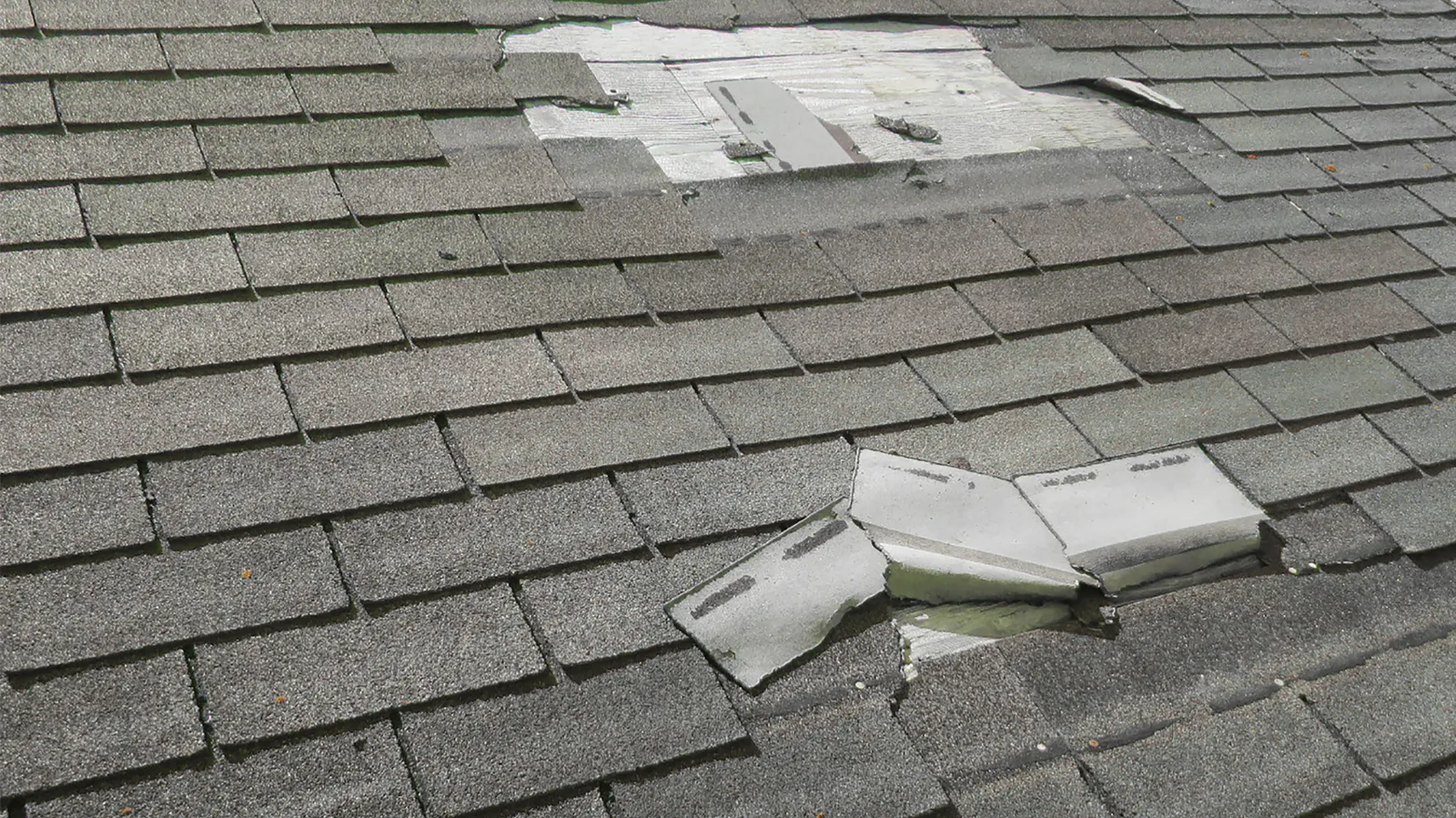
Missing and creased shingles exposing bare wood on a gray roof

Roof Insurance Claims in Pryor, OK

Roof insurance claims run on a few mechanics that nobody explains until you're mid-claim: what counts as covered damage, how the policy values your roof, and where the deductible sits in the math. This guide lays them out ahead of time, with Oklahoma's own consumer guidance as the backbone, so the decisions are yours to make calmly.

Understand the roof before the claim

A free inspection establishes what the roof shows. What you do with that is up to you.

Roof damage and insurance coverage are separate findings

A roofer and an insurer answer different questions. The roof assessment establishes what condition the roof is in and what fixing it involves. The insurer determines whether a covered cause produced the damage and what the policy pays. Both matter, and neither substitutes for the other.

The distinction that decides most claims: storms are a covered cause on typical policies; wear isn't. Shingles that aged out over twenty summers are a project you plan and budget, not a claim, while hail bruising and wind damage are exactly what the coverage exists for. A careful storm damage assessment tells you which story your roof shows before you decide whether the claim conversation is worth opening.

Missing and creased shingles exposing bare wood on a gray roof

Replacement cost and actual cash value

How the policy values the roof is the quiet clause with the loudest consequences. Oklahoma's insurance department explains both bases in its consumer guidance; here's what each means when the roof is yours.

Replacement cost coverage

The policy pays toward replacing the roof at today's prices, less your deductible. Payment often arrives in stages, with depreciation held back until the work is actually completed, and the policy's own conditions govern how and when. The terms that matter are the ones in your policy, not a summary's.

Actual cash value coverage

The policy pays the roof's depreciated value: what the old roof was worth after its years of service, not what a new one costs. On an older roof the gap between that payment and a replacement bill can be substantial, and it lands on you. Worth knowing before a storm, not after.

The deductible remains part of the budget

Whatever else the claim pays, the deductible is yours, either a flat amount or a percentage of the home's insured value depending on how the policy is written. Percentage deductibles deserve a moment's attention: a fraction of the dwelling coverage can be a much bigger number than people carry in their heads.

That's why the deductible is the natural test for whether a claim is worth opening. You pay it either way, so a claim makes sense when the covered repair costs run well beyond it, and makes less sense when they don't. The number itself is written in your own policy, and knowing it before storm season means the claim decision starts from arithmetic instead of surprise.

A practical path after damage

  1. Protect, safely, and keep the receipts

    Reasonable temporary protection against further damage is worth doing where it's safe from the ground; Oklahoma's guidance says to keep the receipts, which the claim can consider. Nothing about that means climbing on the roof.

  2. Get the roof assessed

    A free inspection establishes what the roof shows: storm damage, ordinary wear or nothing to worry about. That tells you whether a claim is even the right conversation.

  3. Report promptly if you claim

    Covered losses should be reported promptly; the insurer sends its own inspection and makes the coverage determination under your policy's terms and timelines.

  4. Decide the project

    With the coverage answer in hand, the roof work itself gets planned like any other project, scope, materials and budget, and the cost guide helps with that arithmetic.

Questions about roof insurance claims

Does a hail report prove my roof is covered?

No. A report documents that hail was observed somewhere near a point on a date; it says nothing about your roof, and coverage turns on what your roof actually shows plus your policy's terms. What reports are good for is timing: knowing the dates worth asking about. The storm history page keeps the recent ones near Pryor.

Will a replacement-cost policy always pay the full bill?

No. The deductible comes off the top, exclusions and limits apply, and depreciation is commonly held back until the replacement is actually completed, all under the policy's own conditions. Replacement-cost coverage is the stronger basis, not a blank check; the policy document is where the real answer lives.

How long do I have to file a roof claim?

The honest answer is: report promptly, and check your own policy for its requirements. Oklahoma's consumer guidance says covered losses should be reported promptly, and policies carry their own notice terms. Universal deadlines quoted on the internet are exactly the kind of secondhand rule not worth betting a claim on.

Can I get the roof checked before deciding about a claim?

Yes, and it's the sensible order. The inspection is free and tells you what the roof shows, which is the fact everything else depends on. What it can't do is date damage to a specific storm or decide coverage; those belong to the record and the insurer. The inspection page covers how to arrange it.

Start with a free roof inspection

Before the claim, before the adjuster, before any of the paperwork: find out what your roof actually shows. The look is free, and it's the fact the whole decision rests on.

Contact us
Black shuttered white ranch house under a gray asphalt shingle roof

Understand the roof before the claim

A free inspection establishes what the roof shows. What you do with that is up to you.

Call (918) 803-0637Request roofing help